




Why Does 925 Sterling Silver Tarnish? Prevention Tips
925 sterling silver is valued for its beauty, durability, and timeless appeal. However, even high-quality silver jewelry can gradually tarnish when exposed to certain environmental conditions. Understanding why tarnishing occurs and how to prevent it can help you maintain your jewelry's appearance for longer.
At SADE SILVER Wholesale, we believe that understanding silver care is essential for jewelry retailers, wholesalers, and anyone who appreciates quality sterling silver designs.
What Causes 925 Sterling Silver to Tarnish?
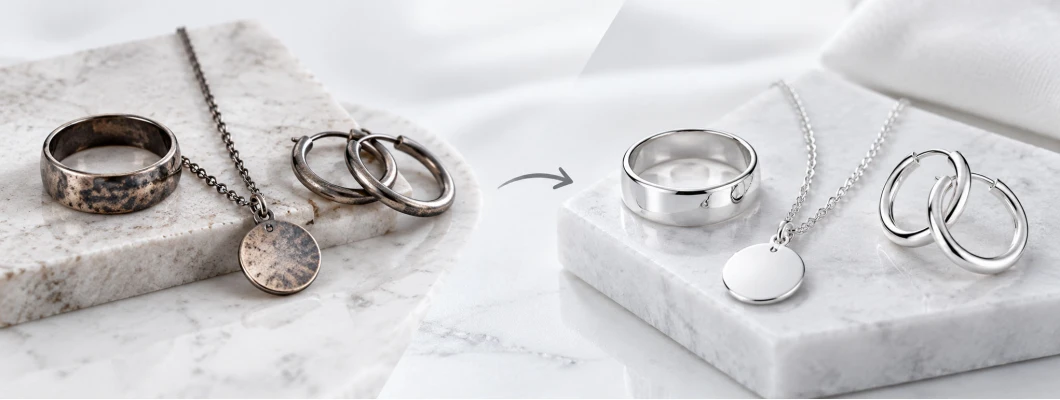
925 sterling silver contains 92.5% pure silver and 7.5% other metals, usually copper. Although silver is a precious metal, it can react with sulfur-containing compounds in the environment, forming a darker layer on its surface.
Several factors can contribute to tarnishing:
Humidity and moisture: Exposure to damp environments can accelerate tarnishing.
Perspiration: Sweat and its chemical composition may affect the surface of silver jewelry.
Perfumes and cosmetics: Lotions, fragrances, and hair products can contribute to discoloration.
Household chemicals: Cleaning products and other harsh substances may affect the metal or its finish.
Improper storage: Prolonged exposure to air and certain environmental contaminants can increase tarnishing.
Tarnishing is a natural characteristic of sterling silver and does not automatically indicate poor quality or counterfeit material. With proper care, its appearance can often be restored.
Does Plating Affect Silver Tarnishing?
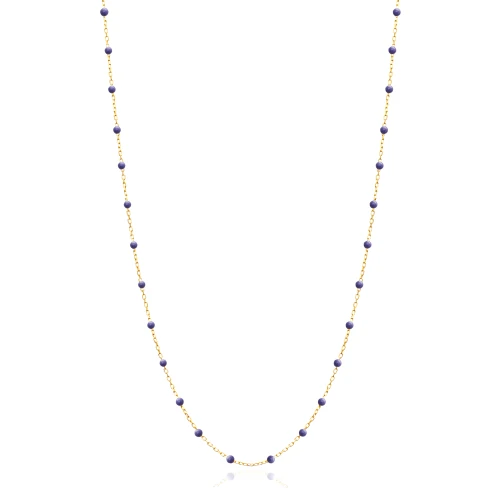
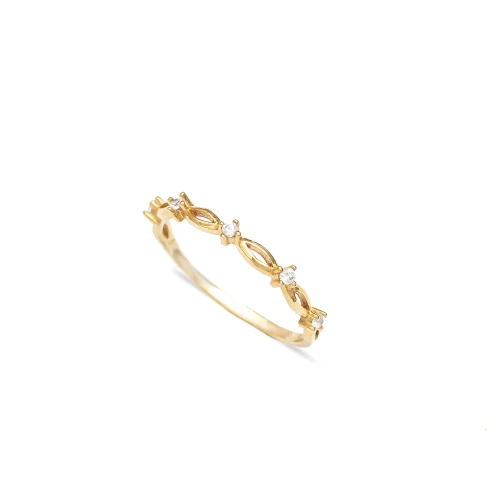
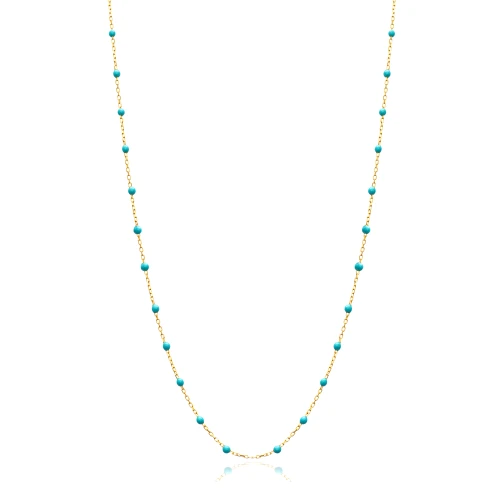
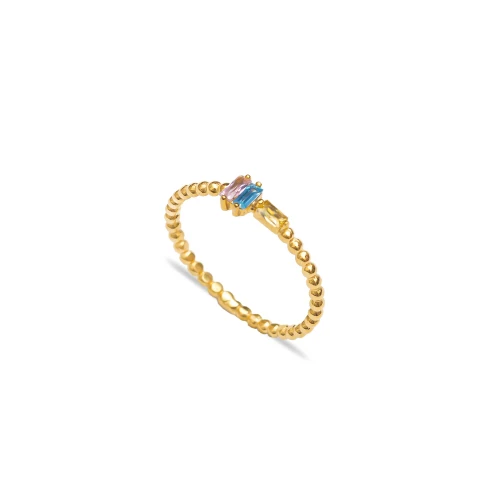
Gold-plated and rhodium-plated sterling silver jewelry feature an additional surface layer that changes the appearance of the underlying silver and can help protect it from direct exposure.
Rhodium plating provides a bright, reflective finish and can help reduce direct contact between the silver alloy and environmental substances. Gold plating gives sterling silver a warm, luxurious appearance while adding a surface layer over the base metal.
However, plating can gradually wear away through friction, frequent use, and exposure to chemicals. Once the underlying silver becomes exposed, tarnishing may occur in those areas.
To maintain plated jewelry:
Avoid abrasive polishing products that may damage the coating.
Minimize contact with perfumes, lotions, and cleaning chemicals.
Store each piece carefully to reduce friction and surface wear.
Follow appropriate cleaning recommendations for the specific plating.
Proper care helps preserve both the finish and the overall appearance of plated sterling silver jewelry.
How to Prevent Sterling Silver Jewelry from Tarnishing
A few simple habits can help keep your 925 sterling silver jewelry looking its best.
Store jewelry in a dry place: Use an airtight container or a suitable jewelry pouch to limit exposure to moisture and air.
Avoid direct contact with chemicals: Apply perfumes, lotions, and cosmetics before putting on your jewelry, allowing them to dry first.
Remove jewelry before water activities: Take off your pieces before swimming, showering, or exercising.
Clean gently: Use a soft polishing cloth suitable for sterling silver, taking extra care with plated surfaces.
Store pieces separately: Individual compartments or pouches help prevent scratches and unwanted friction.
Inspect your jewelry regularly: Check delicate settings, clasps, and surface finishes to identify signs of wear.
These preventive steps are particularly useful for jewelry retailers and businesses that need to maintain the appearance of their stock during storage, handling, and display.
Can Tarnished Sterling Silver Be Restored?
In many cases, tarnished 925 sterling silver can be restored using a suitable silver polishing cloth or an appropriate silver-cleaning product. Light tarnishing can often be removed without professional treatment.
However, the cleaning method depends on the jewelry's finish and construction.
Unplated sterling silver: Can generally be cleaned with products specifically designed for sterling silver, following the manufacturer's instructions.
Gold-plated silver: Requires gentle treatment to avoid removing or thinning the gold coating.
Rhodium-plated silver: Should be cleaned carefully to protect its reflective surface.
Jewelry with gemstones: May require specialized care because some stones can be sensitive to cleaning solutions or abrasion.
Avoid aggressive scrubbing and harsh chemicals, particularly on plated or delicate pieces. For valuable, intricate, or heavily tarnished jewelry, professional cleaning may be the safest option.
Why Is Proper Silver Care Important for Jewelry Businesses?
For jewelry retailers, boutiques, and wholesale buyers, maintaining product quality goes beyond selecting attractive designs. Proper storage, handling, and care instructions can help preserve the appearance of jewelry and improve the customer experience.
Understanding tarnishing also helps businesses answer common customer questions, provide accurate aftercare guidance, and set realistic expectations about the long-term appearance of sterling silver.
By sharing clear care instructions, retailers can help customers enjoy their jewelry while building trust in their products and brand.
Explore 925 Sterling Silver Jewelry at SADE SILVER Wholesale
At SADE SILVER Wholesale, we offer a variety of sterling silver jewelry designs for businesses looking to develop versatile and attractive collections.
From timeless everyday pieces to contemporary designs, our collections provide options for jewelry retailers, boutiques, and wholesale buyers.
Explore our 925 sterling silver jewelry collections and discover designs suited to your business needs.
SADE SILVER Wholesale — Your partner for wholesale 925 sterling silver jewelry.
Contact & Orders
Website: www.sadesilverwholesale.com
Email: info@sadesilverwholesale.com
Phone: +90 532 607 34 39
Instagram: @sadesilverwholesale
Welcome to Sade Silver Jewelry wholesale partnership. We hope to work with your company long time.+