




Behind the Shine: The Craftsmanship and Journey of Silver Jewelry
From Raw Silver to Timeless Beauty
A beautiful piece of silver jewelry is more than just a decorative accessory. It represents an idea, a creative vision, carefully selected materials, and a series of detailed processes that transform raw metal into something meaningful.
From the first design inspiration to the final polished surface, every stage contributes to the character of a jewelry piece.
Sterling silver has remained a favorite material in jewelry design for generations. Its natural brightness, versatility, and timeless appeal make it suitable for both classic creations and contemporary styles.
But what happens before a silver necklace, ring, or pair of earrings becomes part of someone's collection?
Let's explore the craftsmanship, techniques, and thoughtful details behind the journey of silver jewelry.
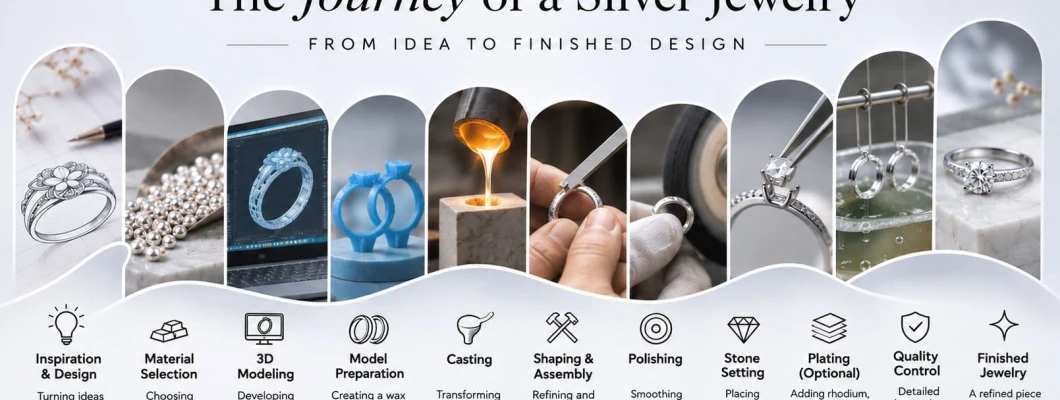
1. Where Inspiration Becomes Design
Every jewelry creation begins with an idea.
Designers explore shapes, proportions, textures, and details to develop pieces that balance visual appeal with functionality.
Inspiration can come from architecture, nature, modern art, geometric forms, or everyday objects.
Before a design becomes a physical piece, its essential characteristics are carefully considered:
- Shape and overall proportions
- Metal thickness and structure
- Comfort and wearability
- Decorative details
- Gemstone placement
- Surface texture and finish
Today, traditional drawing techniques often work alongside digital design tools. Computer-aided design allows complex shapes to be visualized and refined before production begins.
The result is a design that brings creative imagination and practical considerations together.
2. The Importance of Choosing the Right Silver
The beauty of silver jewelry begins with the material itself.
One of the most widely used materials in fine jewelry is 925 sterling silver, an alloy containing 92.5% pure silver and 7.5% other metals, typically copper.
This composition offers a balance between silver's natural beauty and the strength required for jewelry applications.
Material selection influences several aspects of the finished piece, including:
- Appearance: Sterling silver offers a naturally bright and elegant finish.
- Strength: The alloy is more practical for everyday jewelry applications than pure silver.
- Versatility: It can be shaped into delicate chains, sculptural rings, detailed earrings, and many other designs.
- Finishing Possibilities: Sterling silver can be polished, textured, oxidized, or plated to achieve different visual effects.
The material is not simply the starting point of a jewelry piece. It is an essential part of its identity.
3. Shaping the Vision: From Model to Physical Form
Once the design is established, it needs to be translated into a physical structure.
Jewelry makers use different techniques depending on the complexity and style of the design.
Digital modeling can help create accurate three-dimensional representations. In some production methods, wax or resin models are then prepared for casting.
Lost-wax casting is a widely used technique that allows intricate designs to be reproduced in metal.
The process involves creating a model, surrounding it with investment material, removing the original model through heating, and introducing molten silver into the resulting cavity.
Other designs may be created through traditional metalworking techniques, including cutting, bending, forming, and shaping silver sheets or wires.
Each technique offers different creative possibilities.
4. The Details That Bring a Piece Together
A jewelry design becomes recognizable through its details.
After the initial shaping or casting stage, individual components are refined and assembled.
This may involve:
- Removing excess metal
- Refining edges and surfaces
- Joining separate components
- Creating secure connections
- Adjusting proportions
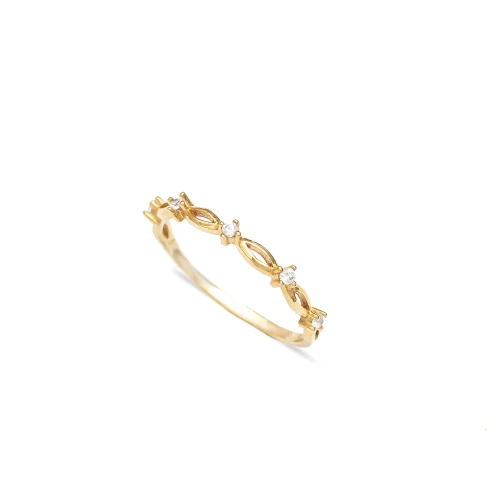
- Preparing gemstone settings
Small details can make a significant difference to the final result.
A carefully shaped ring should feel comfortable, while a necklace should have balanced proportions and reliable connections.
Good craftsmanship is often most visible in the details that might otherwise go unnoticed.
5. The Beauty of Gemstones and Decorative Elements
Gemstones can introduce color, contrast, and personality into silver jewelry.
Whether a design features a single central stone or multiple smaller decorative elements, stone placement is an important part of the creative process.
Different setting techniques create different visual effects.
- Prong Setting: Allows light to reach a gemstone from multiple directions while holding it securely in place.
- Bezel Setting: Surrounds the stone with metal for a more defined appearance.
- Pavé Setting: Creates a detailed surface using closely positioned small stones.
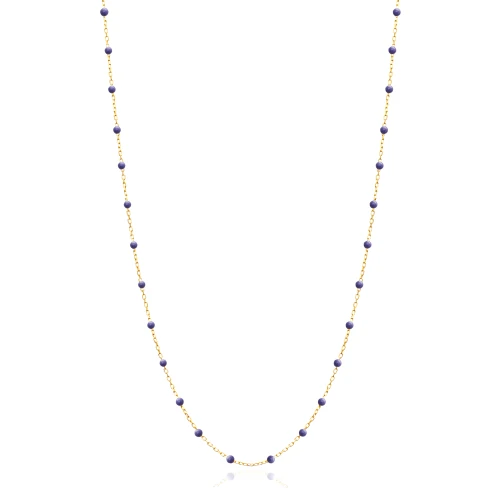
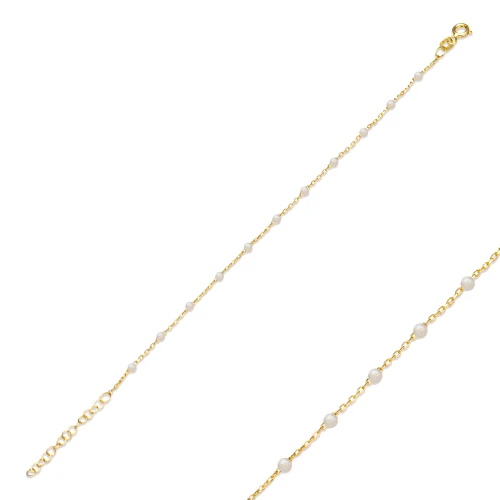
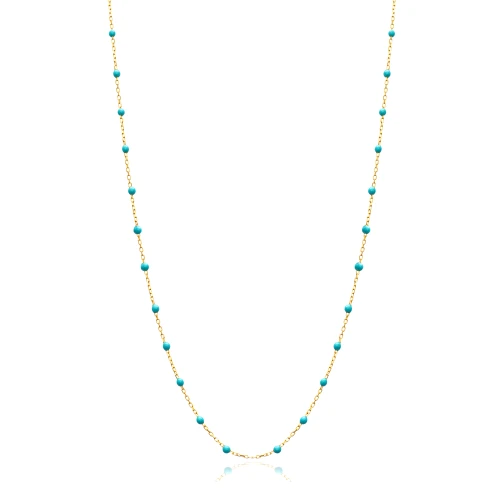
Beyond gemstones, decorative details such as enamel, textured surfaces, and geometric elements can give each design its own character.
The relationship between the silver structure and its decorative elements is what creates visual harmony.
6. Refining the Surface: The Art of Finishing
Finishing is one of the stages that most directly influences how a piece of silver jewelry looks and feels.
After shaping and assembly, the surface is refined to achieve the intended appearance.
Different techniques produce different results:
- High Polish: Creates a smooth, reflective surface that highlights silver's natural brightness.
- Matte Finish: Offers a softer appearance with reduced reflection.
- Brushed Texture: Introduces subtle directional lines for a contemporary aesthetic.
- Oxidized Details: Create darker areas that emphasize depth and decorative patterns.
Finishing is not simply about making a piece shine. It is about achieving the exact visual character intended by the original design.
7. Exploring Different Silver Finishes and Colors
Silver jewelry can take on different appearances through additional surface treatments.
Rhodium, gold, and rose gold finishes are popular choices in contemporary jewelry collections.
- Rhodium: Creates a bright, silvery-white surface.
- Gold: Introduces a warm, golden appearance.
- Rose Gold: Offers a softer tone with pinkish undertones.
These finishes allow the same underlying silver material to complement different fashion preferences.
Plating is a surface treatment and does not change the underlying sterling silver composition.
The choice of finish can completely influence the mood of a design, from understated elegance to a warmer, more decorative look.
8. Quality Is Found in the Details
Before a jewelry piece is ready for presentation, it should be carefully inspected.
Quality assessment helps ensure that the finished design meets the required standards.
Important details include:
- Overall shape and symmetry
- Surface smoothness
- Secure connections and soldering
- Stone placement
- Clasp functionality
- Consistency of plating
- Appropriate material identification
A well-finished piece should not only look beautiful but also be suitable for its intended use.
Attention to detail throughout the process helps create a more consistent and refined final product.
9. From a Finished Design to a Lasting Impression
Once the manufacturing and inspection stages are complete, the jewelry is prepared for presentation.
Cleaning, careful handling, packaging, and professional product photography all contribute to the way a finished piece is experienced.
The presentation of silver jewelry is an important part of its overall identity.
A delicate necklace, a sculptural ring, or a pair of carefully finished earrings deserves to be presented in a way that highlights its design and craftsmanship.
Ultimately, the journey from raw material to finished jewelry is a combination of creativity, technical skill, and attention to detail.
The Lasting Appeal of Silver Jewelry
Fashion trends may change, but the appeal of beautifully designed silver jewelry continues to evolve.
Its adaptability makes it suitable for minimalist styles, statement pieces, everyday accessories, and more distinctive designs.
The combination of thoughtful design, quality materials, and careful finishing gives silver jewelry its lasting place in the world of fashion.
At Sade Silver, we believe that the beauty of jewelry lies in the details, the materials, and the design choices that make every piece special.
Sade Silver – Simplicity in Design. Beauty in Every Detail.
Frequently Asked Questions
What makes 925 sterling silver suitable for jewelry?
925 sterling silver contains 92.5% pure silver and 7.5% other metals, typically copper. This composition provides a practical balance of beauty and strength.
What are the main stages of silver jewelry production?
The process may include design, material selection, modeling, casting or metal forming, assembly, stone setting, polishing, surface finishing, and quality inspection.
What is the difference between polished and matte silver jewelry?
Polished silver has a reflective, shiny surface, while matte silver has a softer, less reflective appearance.
Can sterling silver jewelry have different colors?
Yes. Sterling silver can receive rhodium, gold, or rose gold plating to achieve different surface colors.
Why is quality control important in jewelry production?
Quality control helps ensure consistent finishing, secure settings, functional components, and appropriate material standards.
Why does craftsmanship matter in silver jewelry?
Craftsmanship influences the appearance, comfort, construction, and overall quality of a finished jewelry piece.